Ask a resident what makes a care home feel good, and you’ll rarely hear “excellent infection control”. You’ll hear “it smells fresh”, “my room is lovely” or “everything’s tidy”. Behind that, there’s a team doing quiet, careful work that keeps people safe.
Housekeeping practices sit at the centre of that work. They shape how clean a home feels, how safe it is to walk through, and how well infection prevention is kept at bay. They also shape how much dignity and comfort residents experience each day.
This guide explains seven essential housekeeping practices in care homes, the errors that put residents at risk, and how to keep standards consistent from one shift to the next. It’s written for managers, care workers, and housekeeping staff alike.
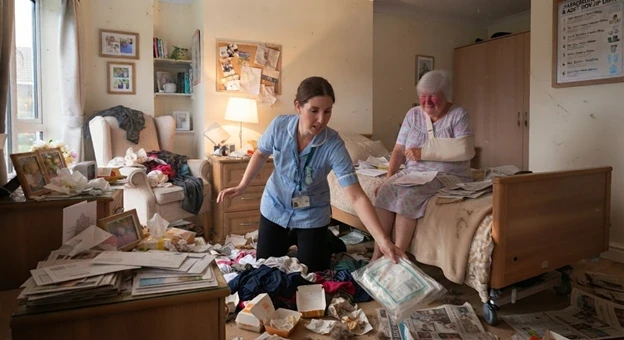
Housekeeping Practices Every Care Home Should Follow
Think of these seven housekeeping practices as the foundations. None is complicated, but each one depends on training, routine, and speaking up when something isn’t right.
Your own policies and procedures always come first, and where national guidance applies, such as the NHS’s National Infection Prevention and Control Manual, it’s considered best practice for non-NHS care settings.
The following housekeeping practices help keep the care home clean and tidy.
1. Keep Bedrooms and Communal Areas Clean Daily
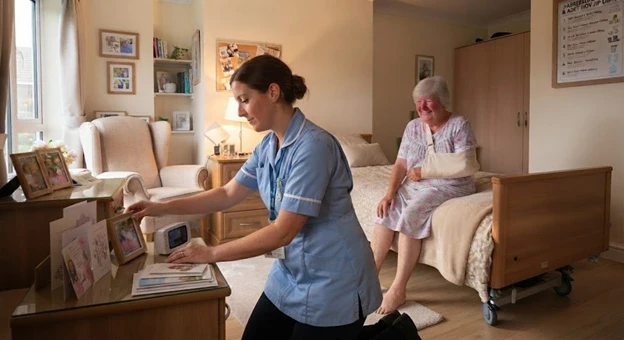
A resident’s bedroom isn’t just a room to clean. It’s their home. Good care home housekeeping balances hygiene with dignity and privacy.
Knock before entering, explain what you’re doing, and put personal items back exactly where you found them. Cleaning communal areas, such as lounges and dining rooms, needs a steady rhythm as well. Clean dining areas after every meal, and wipe shared seating and tables regularly.
Ensure you declutter as you go. A tidy room is easier to clean thoroughly, and it’s safer to move around.
Quick check for your next shift: Look at one bedroom as if you were the resident. Is everything within reach, clean, and where they’d expect it?
2. Clean and Disinfect High-Touch Surfaces
Some surfaces are touched dozens of times a day by residents, visitors, and staff. Think door handles, handrails, light switches, call bells, remote controls, taps, and table edges. These high-touch surfaces are where germs spread most easily.
Cleaning and disinfection are different jobs. Cleaning removes visible dirt and many germs, and disinfection reduces the number of germs that remain.
Follow your product instructions and your infection prevention and control policy on whether you clean and disinfect separately or use a combined product.
3. Keep Floors and Walkways Free from Hazards
Slips, trips and falls are among the most common risks in any care setting. In a care home, where residents may have mobility difficulties, poor eyesight or unsteady balance, a small hazard can have big consequences.
Good health and safety in care homes means keeping corridors, doorways and escape routes clear at all times. It also means mopping up spills straight away, using warning signs on wet floors, and tidying trailing cables and equipment.
For fall prevention, ask yourself whether every hazard has been removed, or only moved to somewhere else. If you spot a loose carpet edge, a broken tile or poor lighting, report it. Don’t assume someone else has.
4. Handle Laundry and Bedding Hygienically
Safe laundry handling protects both residents and staff. Contaminated laundry, such as bedding soiled with body fluids, needs special care.
In practice, that means:
- Wear the right PPE: Gloves and aprons, as set out in your policy.
- Handle with care: Don’t shake linen, don’t hold it against your clothing, and bag it where it’s used.
- Keep clean and dirty apart: Separate routes and storage stop cross-contamination.
- Wash your hands: Do it after removing gloves and before moving on to the next task.
Washing temperatures, laundry bags and cycles depend on your policy, the type of laundry and the manufacturer’s instructions, so follow those rather than guessing.
5. Segregate and Dispose of Waste Correctly
Waste disposal in care homes works only when everyone does it the same way. Waste segregation means sorting waste into the right streams at the point it’s produced, so that infectious or hazardous waste doesn’t end up with general rubbish.
Follow your home’s waste policy and the guidance from your waste contractor. Use the correct bags and bins, place sharps straight into a sharps container, and don’t overfill bins. Keep waste storage areas secure, clean, and away from food and resident areas.
Did You Know?
Mixing waste streams can make the whole bin harder, and more expensive, to dispose of safely. It’s a good reason to get segregation right the first time.
6. Store Cleaning Chemicals Safely
Cleaning products make care homes cleaner, but they’re also hazardous. The Health and Safety Executive (HSE) explains that employers must control the risks from hazardous substances under the COSHH regulations.
In practice, chemical safety means:
- Know what you’re using: Keep safety data sheets where staff can find them.
- Never mix products: Some combinations can release harmful fumes.
- Store securely: Lock chemicals away from residents, and follow the manufacturer’s storage instructions.
- Use original containers: Don’t decant products into unlabelled bottles.
- Train and supervise: Staff should know how to use each product, and what to do after a spill or splash.
Compliance Reminder
HSE’s information sheet on the safe use of cleaning substances is worth printing for your cleaning cupboard.
7. Follow Cleaning Schedules and Report Problems
A good routine beats good intentions. Care home cleaning schedules turn standards into tasks, with clear jobs, frequencies, and sign-off. They also make it easier to spot gaps. If a room hasn’t been signed off for three days, someone should be asking why.
Schedules only work if staff feel able to report problems, whether that’s a broken dispenser, a missing product, or a hazard. CQC’s Premises and Equipment Regulations and the Health and Social Care Act 2008 code of practice on infections are the key references for managers.
Common Housekeeping Errors That Put Residents at Risk
Most problems come from small habits that creep in during busy shifts. Here are the ones to watch for.
- Using the same cloth or mop across areas: This is a classic route for cross-contamination. Follow your colour-coding or equipment policy.
- Skipping the contact time: Wiping a disinfectant off straight away can mean it hasn’t had time to work. Check the product label.
- Overlooking high-touch surfaces: Floors get the attention, while handrails and call bells get missed.
- Poor chemical storage: An unlocked cupboard or an unlabelled spray bottle is a serious risk.
- Mishandling laundry: Carrying soiled linen against your uniform spreads contamination.
- Letting reporting slip: Hazards noticed but not reported stay hazards.
Here’s a question for your next team meeting on good housekeeping practices. Which of these could happen in your home on a busy Friday, and what would stop it?
If you’re a manager, remember that these errors rarely mean carelessness. They usually point to gaps in training, supplies, or time.
Keep Your Residents Safe with Proper Housekeeping
Housekeeping practices only protect residents when they’re done the same way every day, by every member of the team, because consistent routines are what turn good intentions into the care home hygiene standards residents and inspectors expect.
If you’re recruiting housekeeping staff, care workers, or domestic assistants, or actively looking to build the skills of your team: