Picture two people in the same lounge. One finds the music unbearable but would happily rearrange every cushion in the room, while the other resident hears the same music playing in the lounge and dances in full swing, and cannot stop moving between chairs because of too much excitement from listening to the song.
Both are being offered an activity, and neither one is getting much from it.
Both are doing exactly what their brains need them to do. The activity simply was not built for them.
That’s the heart of meaningful activities for autism and ADHD care. An activity is only meaningful if it means something to the person doing it. For autistic people and people with ADHD, that usually depends on sensory comfort, the right level of structure, and real choice.
This guide explains person-centered activities for autism and ADHD care, how to match them to individual needs, and what to do when an activity isn’t going well. None of it is one-size-fits-all, and that’s deliberate.
As you read, you will find practical sensory, movement, and routine ideas, a quick-reference table, and tasks and questions you can take straight to your next team meeting.
Autism and ADHD in Care: What Makes Them Different?
Autism and ADHD are different neurodevelopmental conditions, but they often show up side by side in the same person. Some people describe this combination as AuDHD, and it can feel like having two sets of needs pulling in opposite directions.
The autistic part of a person may crave routine, sameness, and calm. The ADHD part may crave novelty, movement, and stimulation. Good autism and ADHD care means understanding both, rather than choosing one label and planning around it.
Did You Know:
Many people with autism or ADHD are diagnosed late in life, so you may be supporting residents whose needs have never been formally recognised.
Watch what a person does, not just what their notes say.
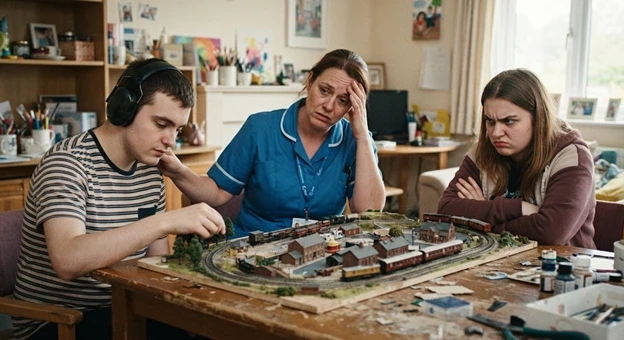
Practical Activities for Autism and ADHD Care
Person-Centered activities for autism and ADHD care start with the individual, not the activity programme. Ask the person, ask their family, and read their care plan and communication passport.
Note that under Regulation 9 of the Health and Social Care Act 2008 (Regulated Activities) Regulations 2014, care must be tailored to a person's needs and preferences, and that includes how they spend their day.
Below are practical, Person-Centered activities for autism and ADHD care to incorporate in your care home. Treat the ideas below as a menu, not a prescription.
Sensory Activities and Sensory Play
Sensory activities for autism are popular, but they need care. The National Autistic Society (NAS) explains that autistic people can be much more or less sensitive than non-autistic people, and the same person can be both, depending on the sense, the day, and how tired or stressed they are.
So one person might love deep-pressure or textured items, while another finds the same thing distressing. Sensory play can include:
- Touch: Textured fabrics, kinetic sand, or fidget items.
- Sight: Calm visual items such as light-up toys, with lighting kept gentle.
- Sound: Quiet musical instruments or soft sound toys, with the person controlling the volume.
- Movement: Wobble cushions or gentle swinging, where it suits the person and the setting.
Weighted blankets and vests are widely available, but it's recommended that an occupational therapist assesses their use.
Please, if you’re unsure, ask.
Arts, Crafts and Creative Activities
Creative, Person-Centered activities for autism and ADHD care can build concentration, self-expression, and fine motor skills, all without anyone needing to talk.
Offer a small number of materials rather than a whole table of choices, which can be overwhelming. Be mindful of textures such as paint, glue, and clay, because some people find them unpleasant. Some people may prefer drawing, collage, colouring, beading, or digital art on a tablet.
Focus on the process, not the result. Not every piece needs to look “finished”, and a person who spends twenty calm minutes sorting beads has done something meaningful.
Physical Activities and Outdoor Play
For many people with ADHD, sitting still for long periods can be hard. Physical activities for ADHD, such as walking, ball games, gardening or dancing, can be a good fit, and short movement breaks can help break up longer tasks.
Outdoor activities offer space and fresh air, but remember the sensory side. Wind, noise and crowds can be a lot for some autistic people. A quiet garden corner may suit better than a busy park.
Keep it person-centred and check individual risk assessments and support plans before you go.
Music, Movement and Rhythm Activities
Music can be calming, energising or both. Rhythm activities such as drumming, clapping games or following a beat can suit people who like predictable patterns, and movement to music can help people release energy.
Sound sensitivity is the catch. Unexpected or loud noise can be distressing for some autistic people, so let the person set the volume, offer headphones, and warn them before the music starts.
Pro Tip: Ask the person to build their own playlist. It gives them control and tells you a lot about what they enjoy.
Social Games and Group Activities
Social activities for autistic people work best when pressure is low. Turn-taking games, cooperative puzzles, and structured group games with clear rules can be easier than open-ended chat.
Let people join in at their own level. Someone may want to watch first, or take part in a small way, and that’s fine. Be mindful of communication needs, too. Visual prompts, clear instructions, and one idea at a time can make group games more inclusive.
A good question for team discussion: What activities would this person join in without feeling put on the spot?
Everyday Tasks That Build Life Skills
Everyday task activities can be the most meaningful of all. Cooking, laundry, tidying a room, watering plants, and planning a shopping list build daily living skills and give people a sense of purpose and independence.
Break tasks into small steps, and use picture or written step-by-step prompts if the person finds them helpful. Offer choices wherever possible: “Would you like to make toast or porridge?” is far more empowering than “It’s time for breakfast.” Support the person to do as much as they can, and step back when they’re managing well.
Choosing Activities to Suit Individual Needs
So how do you pick the right activity for someone with autism or ADHD care? Start with the person.
Look at their care plan, but don’t stop there. Talk with them, and with family or people who know them well, about what they enjoy, what they avoid, and what’s calming. Watch what they naturally gravitate towards.
NAS suggests keeping a sensory diary to spot patterns in triggers, energy levels, and what helps during and after sensory overload. Even a simple version in a daily note can help your team spot what works.
Then adapt. Think about the environment (lighting, noise, space), timing (when is the person usually at their best?), length, and whether the activity has a clear start and finish.
For people with ADHD, shorter, varied activities with movement may work better than one long, still task. For autistic people, predictability matters, so explain what’s going to happen before it starts.
Above all, the person can stop, change, or decline. Choice is part of what makes an activity meaningful.
Responding to Difficult Behaviour During Activities
Some person-centered activities for autism and ADHD care can go wrong. Someone becomes agitated, withdraws or leaves. It helps to ask what the person might be communicating before assuming the activity or the person is the problem.
Signs of sensory overload can include not speaking, appearing closed off, difficulty focusing, pacing or rocking, and strong emotional responses such as crying, shouting or running away. Distress can also come from tiredness, hunger, pain, change, or too many demands at once.
If someone is distressed, NAS-based good practice includes:
- Remove triggers: Turn down lights, music, or TV if you can, or move the person somewhere quieter.
- Reassure and reduce talking: Keep language minimal and calm. The person may not be able to process much more.
- Allow stimming: Don’t try to stop it unless the person is hurting themselves.
- Give time and space: Let them recover without pressure to return.
Afterwards, record what happened before, during, and after the activity, and share it with the team. Patterns matter, and they can shape the person’s care plan or support plan.
If there’s a risk of harm, or the behaviour is new or out of character, follow your service’s procedures and seek advice from a senior colleague or relevant professional.
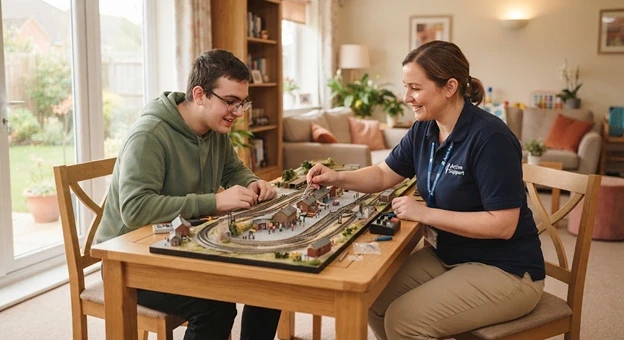
Make Person-centered Activities Part of Everyday Care
Person-centered activities for people living with autism and ADHD can provide the most helpful change in the life of your residents, so you need to stop thinking of these activities as scheduled events.
Remember that every autistic person and every person with ADHD is different. Offer choices, notice what works, adapt as you go, and let people say no. Small, consistent moments of choice and enjoyment add up to better days.
Give Your Residents the Best Care Today
👉 Enrol in Level 3 Certificate in Understanding Autism
👉 Watch CQC Compliance videos and subscribe for more
👉 Post and find specialist care roles on Care Wizard for free