Older people feel the cold differently. As we age, the body is slower to regulate temperature, circulation can be poorer, and long-term conditions such as heart disease, diabetes, and dementia can make people less able to notice or tell us when they are too cold.
Add in winter infections, shorter days and icy paths, and you have a perfect storm. Winter safety for older people is not one task. It is a set of connected risks that need a joined-up plan.
Now let's think about early November when the first frost appears on the car park, the heating engineer is booked solid until Christmas, and you realise winter is no longer "coming"? It is here.
Sometimes nobody thinks about a care home’s heating when it works. Everyone thinks about it when the boiler gives up at 2 am in January.
Winter in care is the season when small gaps become big problems; it brings a different kind of pressure. Residents are more exposed to cold-related illness, icy paths turn a short walk into a risk, and staff absences tend to rise just when you need every pair of hands. The good news is that most of this can be planned for.
Read through to the end to learn how to prepare for winter in care with confidence. You will find practical steps to keep residents warm and safe, plan for bad weather and staff shortages, protect mood and wellbeing, and a checklist your team can start using this week.
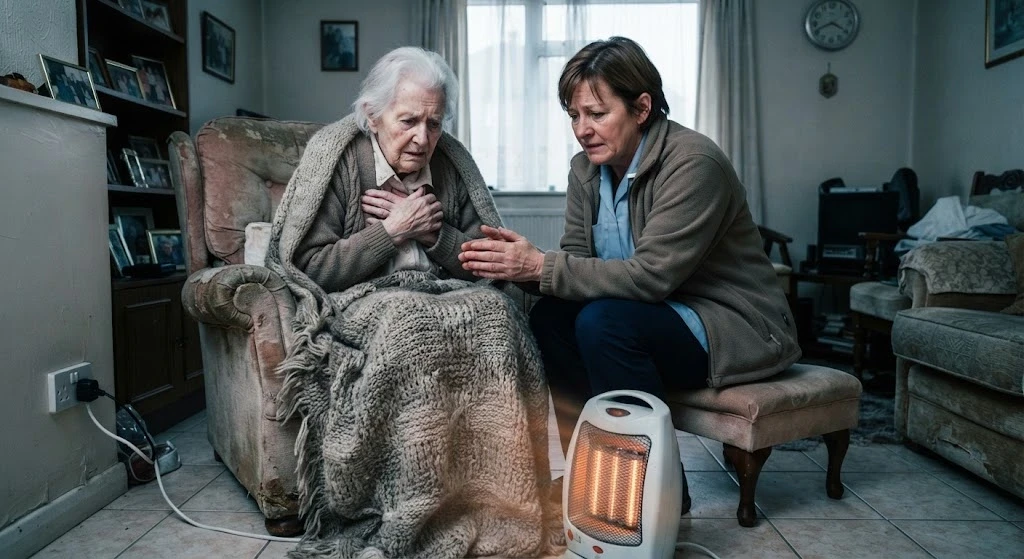
Winter in Care Preparation Checklist
A good care home winter checklist works like a fire drill. Nobody enjoys rehearsing it, but everyone’s glad it exists when it matters. Here’s how to build yours, step by step.
The UK Health Security Agency (UKHSA) advises that providers agree to cold weather plans and share them with managers and frontline staff before 1 November each year. Here are practical Winter in Care preparation steps to keep your care home warm.
Recognise Residents Most at Risk During Winter
During winter in care, not every resident feels the cold in the same way. UKHSA lists people at higher risk, including older people aged 65 and over, and people with heart or respiratory conditions such as COPD. It also includes people with mental health conditions and those with learning or physical disabilities.
Why does this matter? Cold weather increases the chance of complications from existing conditions, and of injury from falls. It can also raise the risk of chest infections and affect mental wellbeing.
Quick check for handover: Which of your residents would be most affected if their room got cold, or if they caught a chest infection this month? If the team can’t answer straight away, the care plans may need a closer look.
Assess Winter Risks in the Care Home
A winter risk assessment doesn’t need to be complicated. Walk the building and the grounds as if you were a resident, a visitor and a delivery driver, then note what could go wrong.
Think about entrances and exits, paths, car parks and ramps, which are the places ice causes most trouble. It’s best to identify these higher-risk points in advance and prioritise them for clearing or gritting. Then think beyond the building:
- Energy supply: What happens if heating or power is disrupted?
- Transport: Can staff and deliveries reach you in snow or ice?
- Staff shortages: Who covers if several people are off at once?
Business continuity plans that cover exactly these disruptions, including contact details for reporting concerns to the local authority and other partners, are highly recommended.
Prepare Heating, Premises and Essential Supplies
Heating is the heart of safety during winter in care homes. Use draught-proof windows, doors and other points of heat loss, and make sure heating systems are maintained and working properly.
It also says plans should be in place to monitor room temperature, body temperature, pulse rate and blood pressure. Your own policy and your residents’ care plans will tell you what to check, how often, and what to do with the results.
Pro Tip: During your routine premises checks, add a quick winter supplies check.
Are there spare blankets? Are shovels, gloves, and grit where staff can find them quickly?
To be honest, it takes minutes, and it’s much easier in October than in the middle of a cold snap.
Protect Residents from Cold, Infection and Falls
During Winter in care homes, cold can harm in more than one way. It can cause hypothermia, although UKHSA notes that deaths where hypothermia is the primary cause are rare. It can also increase susceptibility to chest infections, worsen breathing problems and increase the risk of falls.
Practical protection looks like this:
- Keep residents warm: Make sure people have access to other ways of keeping warm, such as blankets, if they need them.
- Promote vaccination: Encourage flu and COVID-19 vaccination among eligible residents and staff.
- Reduce slips: Clear and grit priority routes, and make sure staff wear suitable footwear.
If a resident seems unusually cold, drowsy or confused, don’t wait and see. Follow your escalation procedure and seek medical advice promptly.
Prepare Staff and Update Winter Care Plans
Plans for Winter in Care Homes only work if your care staff know them. UKHSA recommends cascading business continuity and cold weather plans to staff and checking they understand how to put them into action.
It’s also good practice to look at individual care plans with winter in mind.
Does a resident with a respiratory condition need closer monitoring?
Does someone who feels the cold easily need extra layers or a warmer room position?
These are suggestions for professional judgement and local policy rather than universal rules.
Remember your staff too. Vaccinate them because bad weather can make commuting harder and absences more likely.
Monitor Cold-Health Alerts and Respond to Warnings
Cold-Health Alerts come in yellow, amber and red. Here’s an action card for health and social care providers that sets out what to do at each level, and there’s an overview of the alerting system too.
A question worth asking before the first alert arrives is this: if one landed in your inbox tonight, who would see it, and who would act on it? Test your local arrangements for passing on alerts and updating distribution lists, so nothing sits unread in someone’s inbox.
When an alert is issued, the guidance for residential settings includes prioritising heating maintenance so occupied rooms stay warm, making sure people can keep warm in other ways, and clearing ice and snow from priority routes.
Risks of Inadequate Winter Preparation
Winter in Care homes requires early planning. I know It’s tempting to treat winter planning as paperwork. The risks say otherwise.
It is important to note that deaths are significantly higher in the winter months, and that cold weather can lead to complications from existing disease and to injuries from falls. In a care home, poor preparation can show up as:
- Cold-related illness: Rooms that are too cold, or residents who aren’t warm enough, can affect people with heart, circulation or breathing conditions.
- Avoidable falls: Untreated ice at entrances and paths is a hazard for residents, visitors and staff.
- Disrupted care: Heating failures, transport problems and staff absences can quickly stretch a team.
There’s a regulatory side too. CQC’s regulations on safe care and treatment and premises and equipment are relevant here. A clear winter plan helps show that you’re identifying and managing risk.
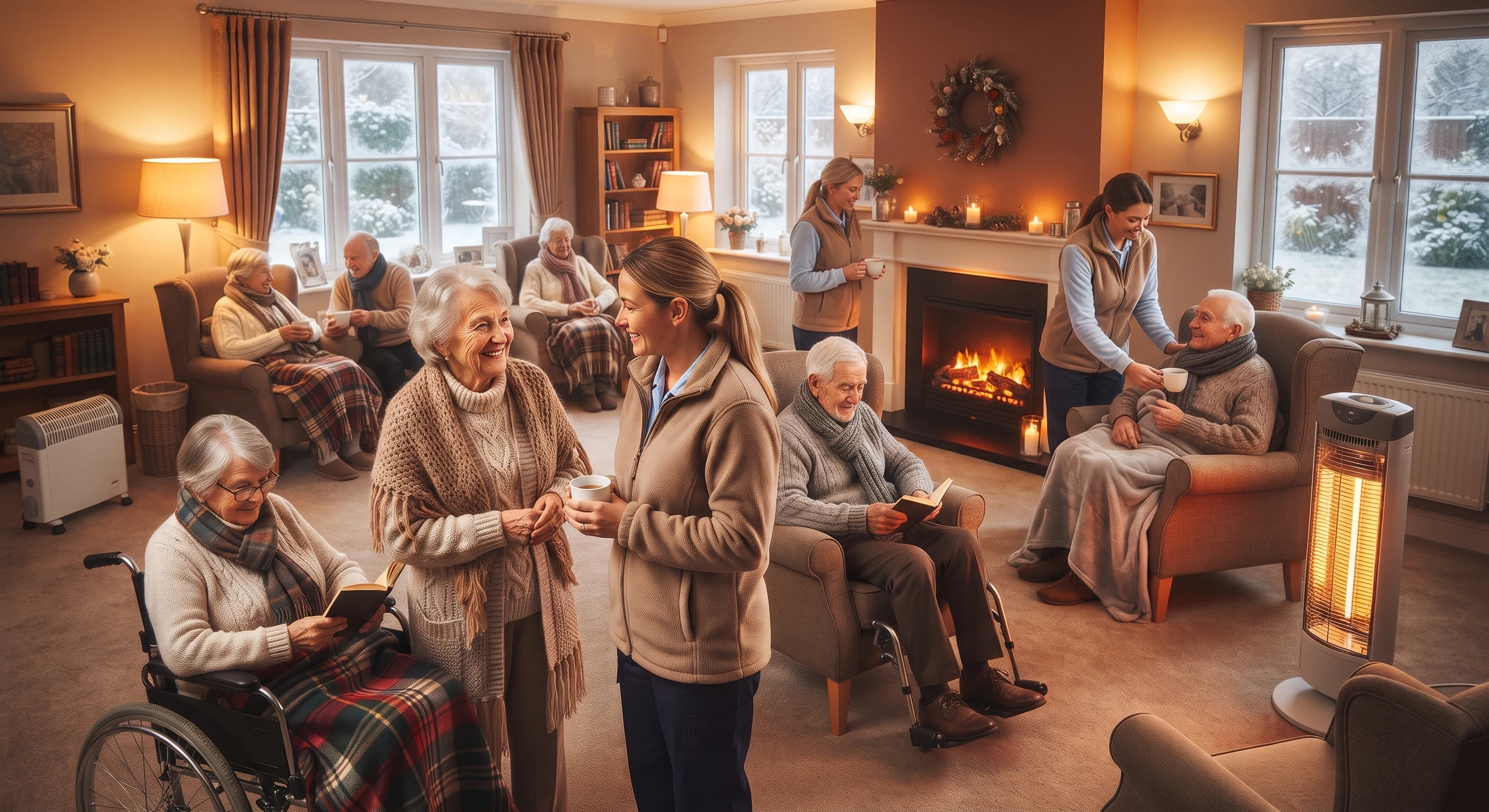
Get Your Team Prepared for Winter
If you take one thing from this guide, make it this: winter readiness is built in autumn. Know who is most at risk, check the heating and supplies, share the plan with every shift, and decide in advance who acts when a Cold-Health Alert arrives.
Staffing is often the weak point in any winter plan, because absences rise just as demand does. If you’re recruiting to strengthen your team before the cold sets in, Care Wizard’s free job board lets you advertise care vacancies to people looking for work in adult social care.
Remember, a well-prepared team spots problems earlier, and that’s what keeps residents warm and safe.
Need more CQC-compliant support?
👉 Invest in Accredited CQC-compliant Adult Social Care Qualifications
👉 Post and apply for care sector job listings on Care Wizard for FREE